

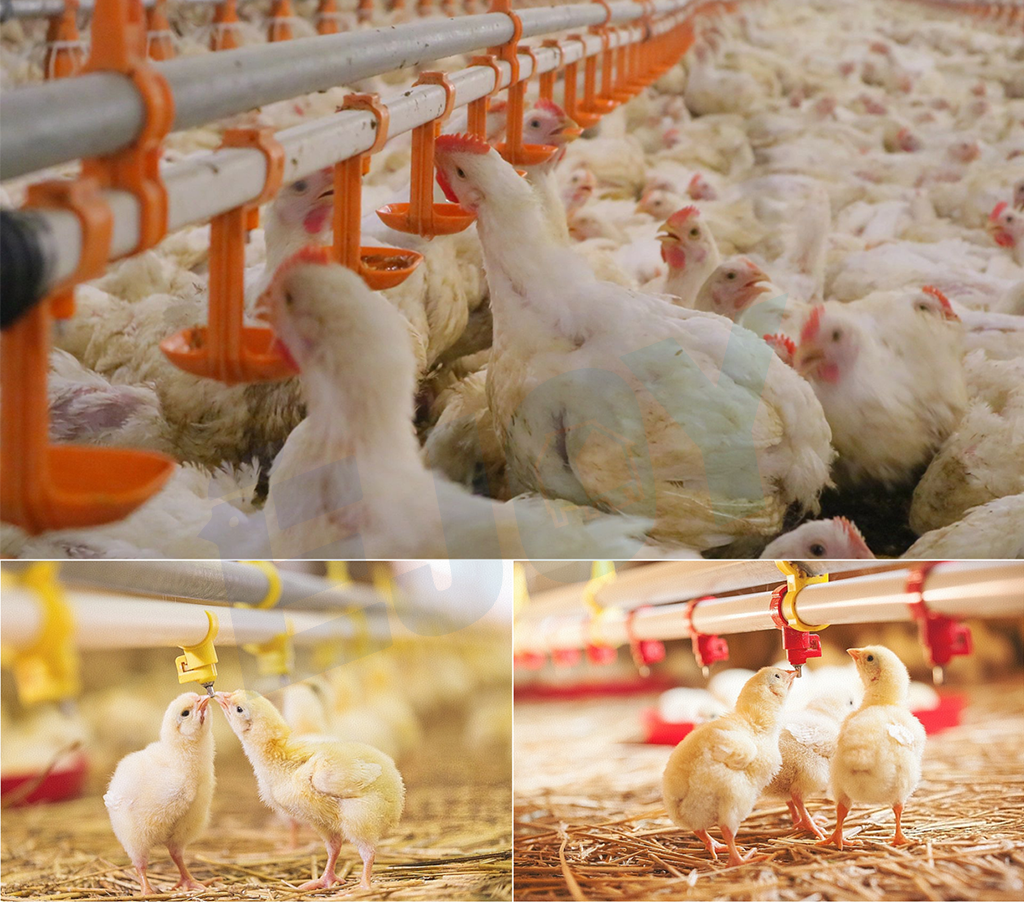
For all poultry farms, daily management is the most critical factor influencing operational efficiency. Through in-depth discussions with our clients, we have identified the following key observation points for farm management. High-quality farming equipment combined with excellent management ultimately yields exceptional returns. We hope the following insights prove valuable to poultry farm owners and look forward to serving our customers with our poultry equipment.
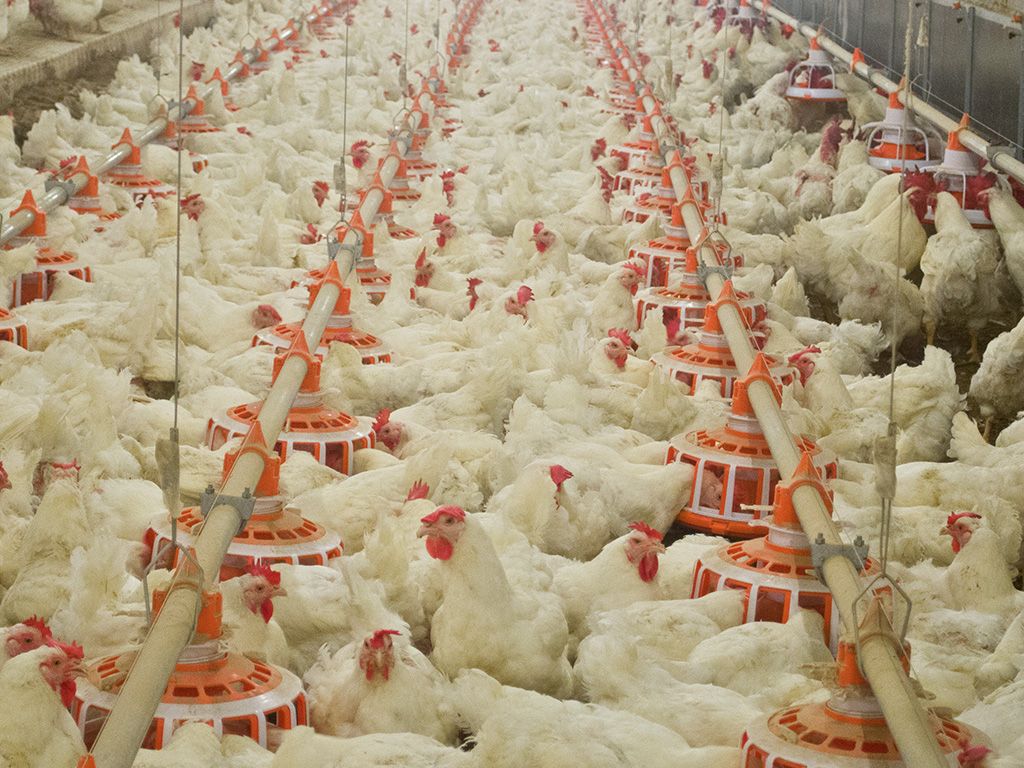
How to Observe Your Chickens?
Before making any adjustments to your environment or equipment, walk slowly into the house and stand still until the birds become accustomed to your presence. This minimizes stress and allows you to see natural behavior.
Use your senses—listen, look, touch, and smell—to assess both bird welfare and system performance.
Core Observation Methods:
1. Listen:
Respiratory sounds: Are your chickens sneezing or making abnormal noises? The quietest time to detect issues is one hour after lights-out at night, when fans are off.
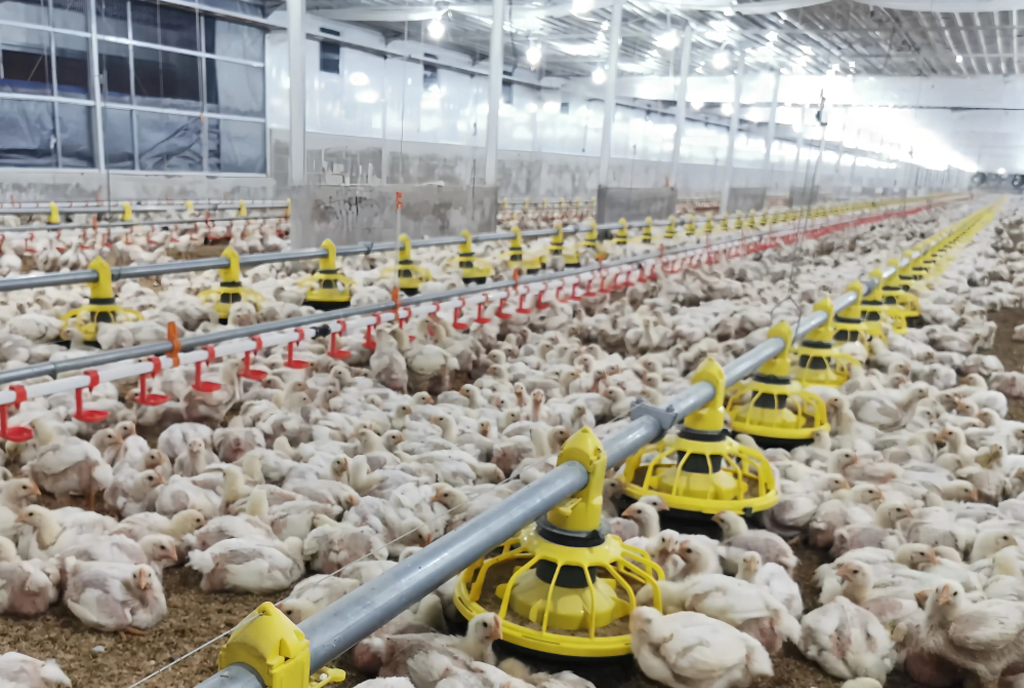
Feeder line operation: In the morning, listen for unusual grinding, skipping, or jamming as the feed line runs.
Ventilation fan condition: Abnormal sounds from motors, bearings, or belts often signal wear or misalignment.
2. Look:
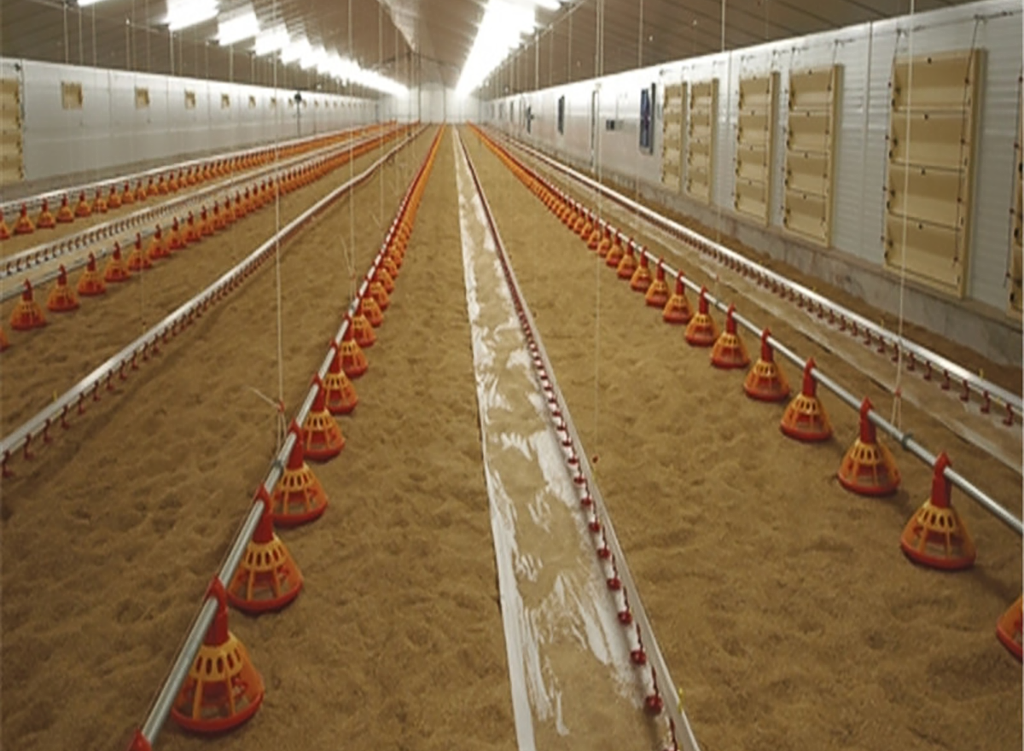
Bird distribution: Are your chickens evenly spread across the floor? Clustering may indicate cold wind, temperature imbalance, uneven lighting, sex ratio issues, or poor feed access.
Open-mouth breathing: Especially in summer nights—this signals heat stress.
Normal behavior: Observe drinking, feeding, mating, and resting. Do they match expected patterns for the birds’ age and type?
Bird appearance: Check for injuries, feather loss, dull eyes, or lethargy.
Air inlets: Are side-wall inlets (small windows or large panels) correctly positioned? Is airspeed adequate without causing drafts? Verify heater function.
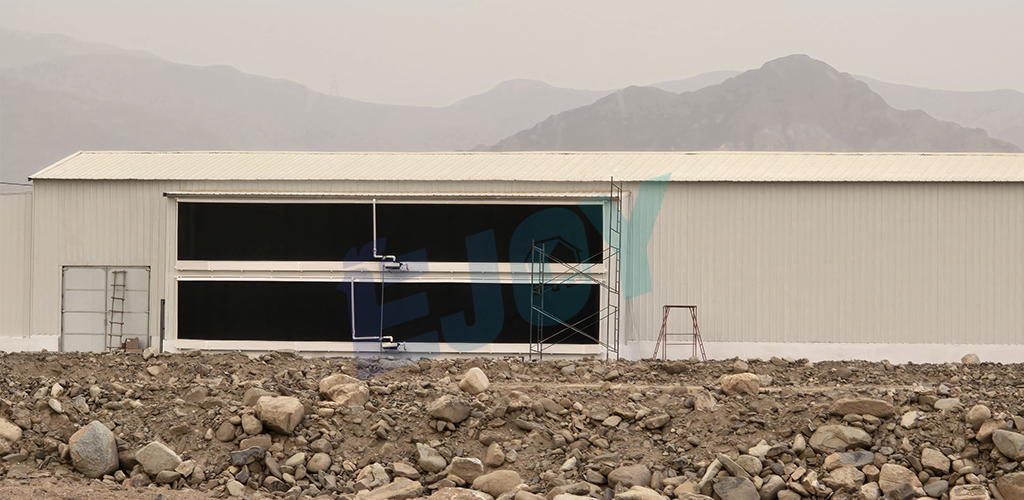
Cooling pads: In hot weather, ensure pads are properly installed, uniformly wetted, and that pumps run reliably.
Litter condition: Ideal litter should be dry, friable, and absorbent—avoid caking or mold.
Drinking and feeding lines: Are drinker nipples at proper height? Any leaks? Watch for leftover feed or spillage at corners.
Nest boxes: Keep them clean; excessive soiling or broken eggs reduce egg quality.
Lighting: Are there dark zones? Confirm photoperiod settings and light-tightness during dark periods.
3. Touch:
Air feel: Does airflow on your face feel too cold, hot, or fast? This helps gauge effective temperature.
Feed texture: Excessive powder or color changes may indicate moisture or spoilage.
Litter moisture: Grab a handful and squeeze:
Holds shape → too wet
Crumbles instantly → too dry
4. Smell:
Feed odor: Fresh feed; musty or sour smells indicate mold.
House atmosphere: Strong ammonia signals ventilation or litter management issues.
About Qingdao EJOY
We are a professional poultry farming equipment supplier and farm solution provider. Our full range includes automatic chicken cage systems, climate controllers, feeding & drinking lines, and manure handling solutions. For technical advice or equipment inquiries, contact us via WhatsApp: +86 13395329830.