

Pig farm environmental control refers to the use of ventilation fans, cooling pads in summer, and heating systems (such as boilers or air heaters) in winter to regulate the temperature and humidity inside pig houses. It also involves controlling the concentration of oxygen, ammonia, carbon dioxide, dust, and other harmful substances to meet the health needs of pigs and achieve a humane living environment.
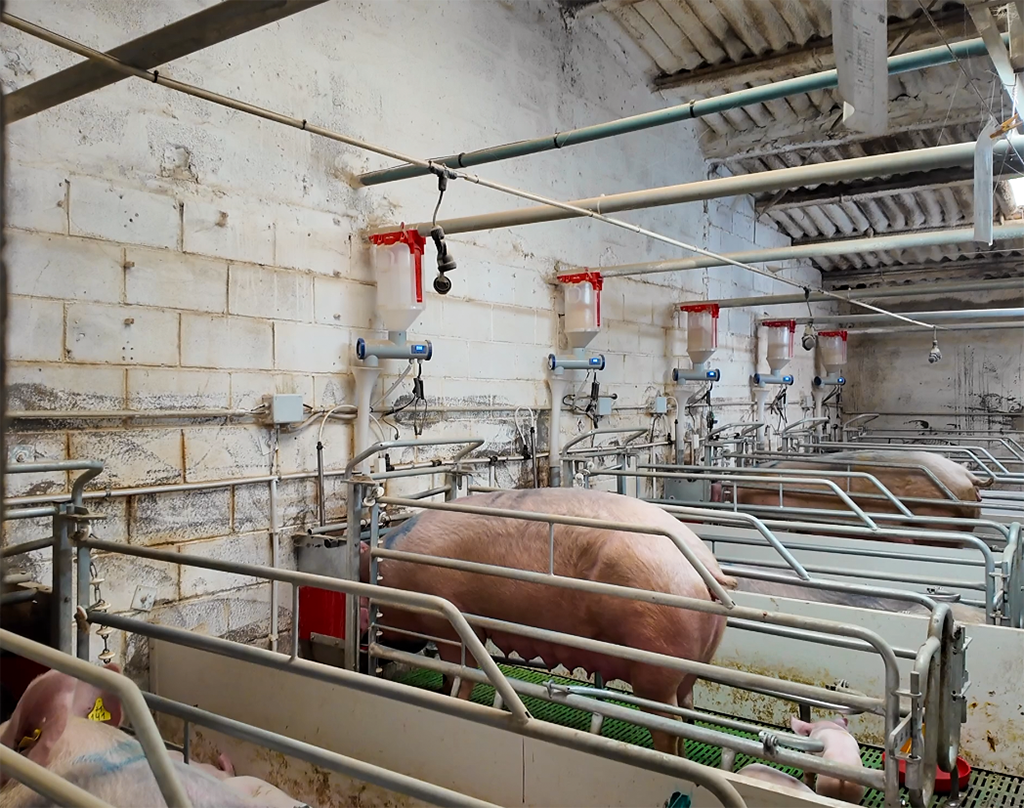
I. Objectives of Environmental Control
1. Regulate temperature and humidity in pig houses.
2. Remove harmful gases and optimize indoor air quality.
3. Increase feed intake of sows and growth rate of piglets.
4. Provide a comfortable environment for both animals and workers.
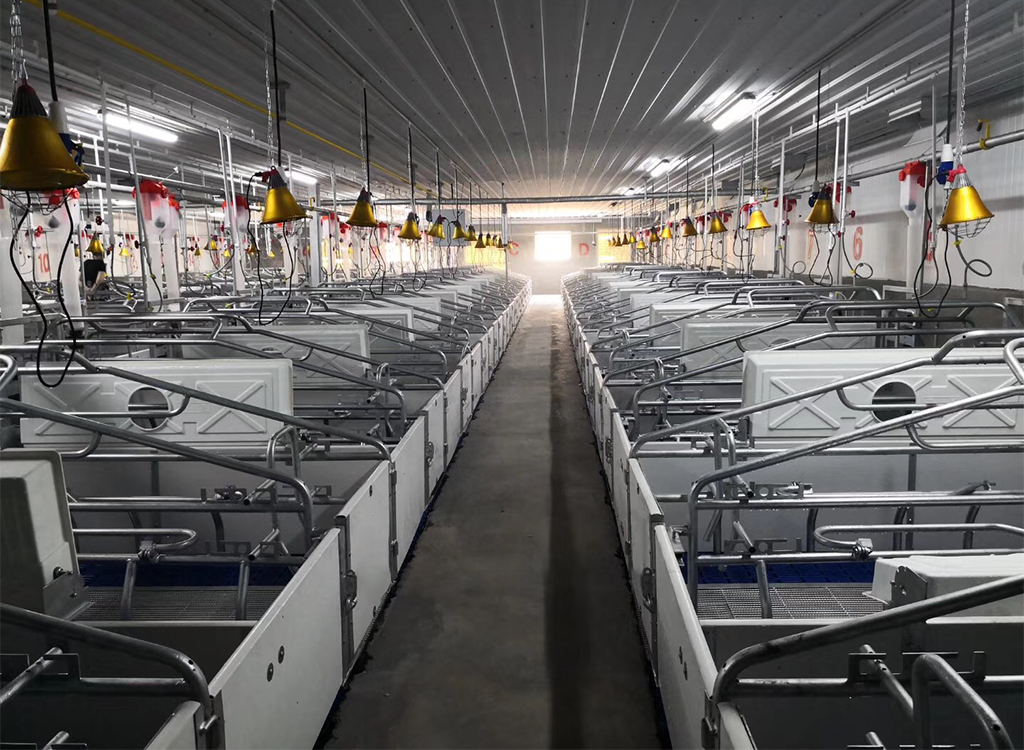
II. Temperature and Humidity Control
1. Importance of Temperature
Temperature is one of the key control points in pig production. It directly affects feed intake, growth rate, reproductive performance, immunity, and disease resistance.
Proper temperature control in farrowing rooms is essential to prevent sows from crushing newborn piglets, increase feed intake of lactating sows, and ensure high survival rates and weaning weights of piglets.
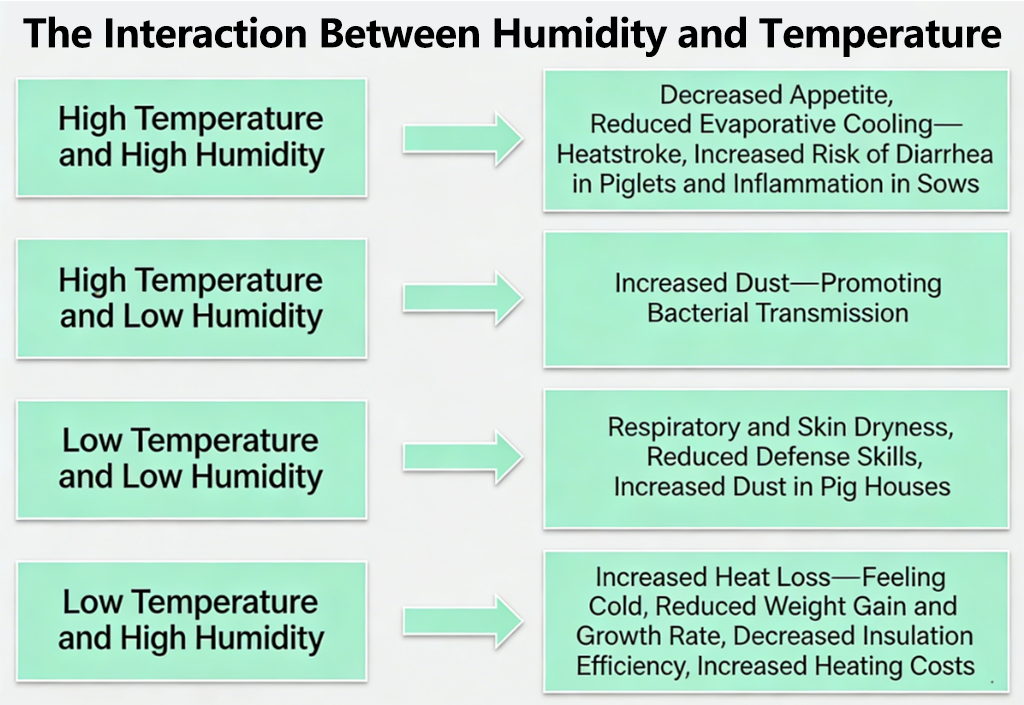
2. Interaction Between Humidity and Temperature
Humidity is often overlooked in pig production, but it is just as important as temperature. Humidity refers to the amount of water vapor in the air, commonly expressed as relative humidity (RH), which should ideally be maintained at 65–75%. The effect of indoor humidity on pigs is closely related to the ambient temperature.
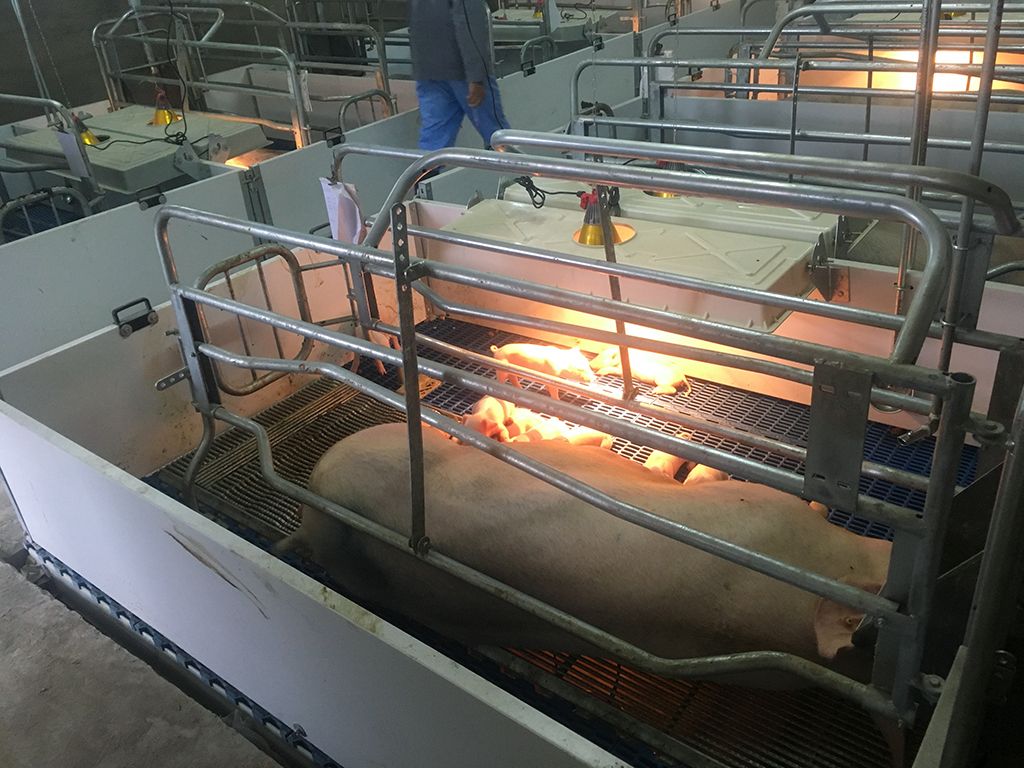
3. Dual Environmental Needs in Farrowing Rooms
Heating or cooling measures should be provided based on season and pig age to ensure a suitable growing environment.
Farrowing rooms require a "dual environment." As the saying goes, "Large pigs fear heat, small pigs fear cold." In practice, piglets need higher temperatures (32–35°C) provided by heat lamps, pads, or boxes, which gradually decrease as they grow. Meanwhile, the overall room temperature should be maintained at 20–24°C with 55–75% humidity to meet the needs of the sows.
Age / Weight | Optimal Temperature (℃) | Temperature Range (℃) |
Birth | 35 | 32 - 35 |
3 Weeks Old | 28 | 24 - 30 |
5 - 14 kg | 28 | 24 - 30 |
14 - 23kg | 25 | 21 - 27 |
23 - 50kg | 24 | 18 - 25 |
50 - 82kg | 18 | 16 - 21 |
82 - Market Weight | 16 | 16 - 21 |
4. Environmental Requirements for Sows and Piglets
• Sows should not feel hot, and the floor should be dry.
• Adequate feed and water supply.
• No strong drafts.
• Enough space to lie down, rest, and stand.
• Piglets should huddle together when sleeping, not spread out.
• Floor should not be wet, and no direct drafts should hit piglets.
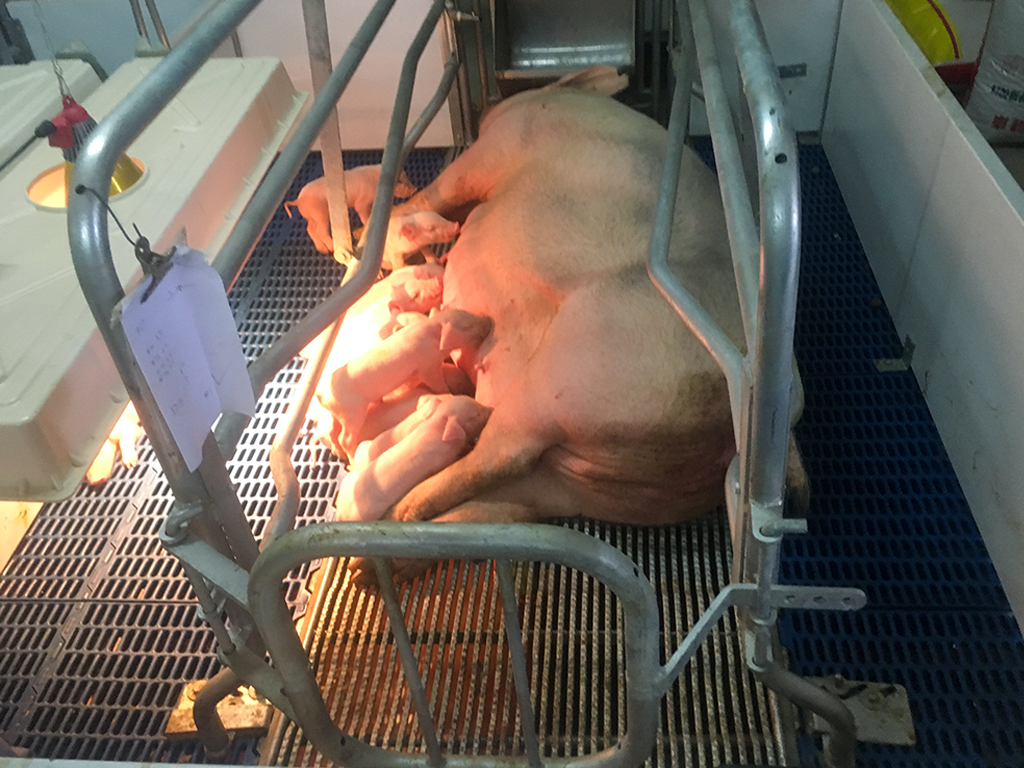
How Do Pigs Behave in Hot Weather?
1. Playing with water, getting dirty, prone to shoulder sores
2. Increased water intake
3. Constantly shifting positions
4. Reduced activity and feed intake
5. Panting and elevated body temperature
III. Ventilation Management
1. Purpose of Ventilation
• Supply oxygen
• Remove harmful gases
• Eliminate dust and particles from the air
• Remove moisture and control humidity (ideal: 50%–70%)
• Provide a comfortable working environment
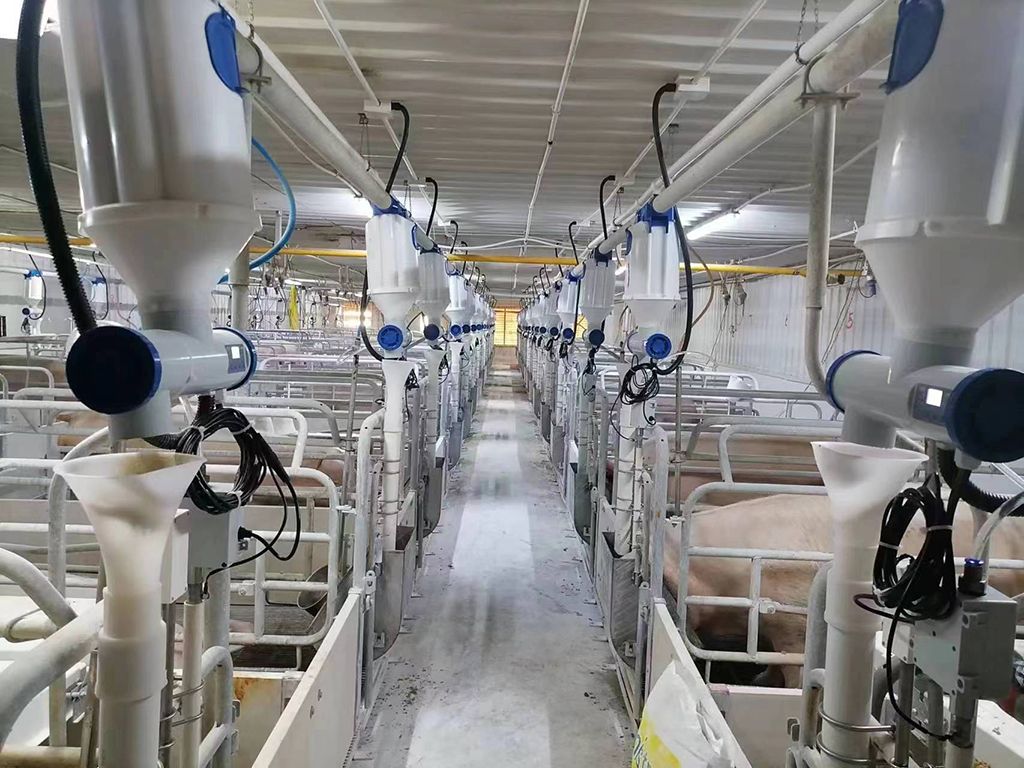
2. Types of Ventilation
• By Air Intake Method:
(1) Positive Pressure Ventilation: Air is pushed into the room.
(2) Negative Pressure Ventilation: Fans exhaust stale air, creating negative pressure that draws fresh air in. This is the most common method.
(3) Neutral Pressure Ventilation: Air is both pushed in and pulled out in a balanced manner.
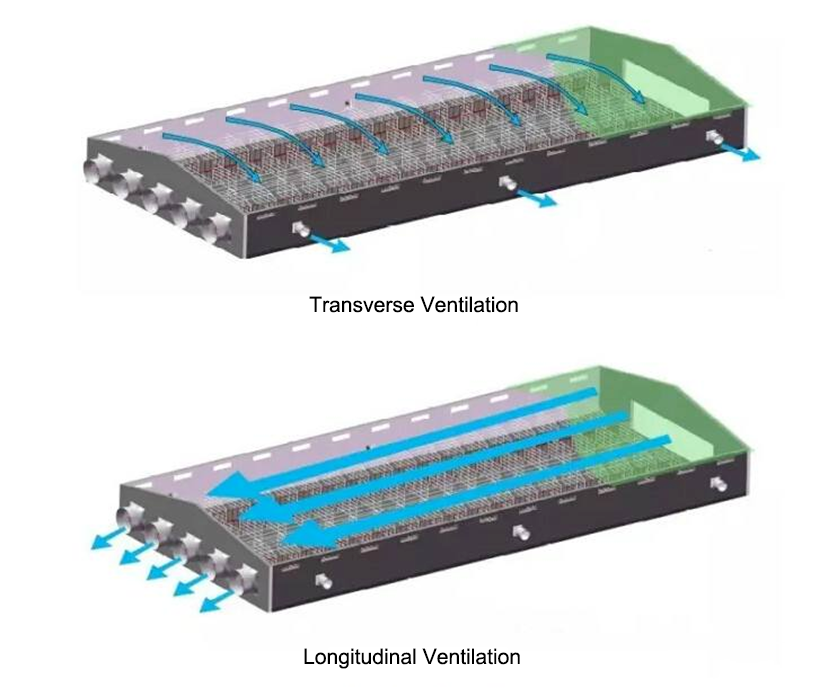
• By Fan and Inlet Placement:
(1) Transverse Ventilation: Used in winter for minimal ventilation.
(2) Longitudinal Ventilation: Used in summer for cooling.
• Seasonal Ventilation:
(1) Winter Ventilation: Focuses on meeting pigs' minimum respiratory needs, removing excess moisture and harmful gases while minimizing heat loss to save energy. This is known as the minimum ventilation rate.
(2) Summer Ventilation: Aims to remove excess heat from the house. Under the premise of energy saving, it maximizes heat removal and creates an air velocity of 1.5–2 m/s around the pigs for comfort. This is known as the maximum ventilation rate.
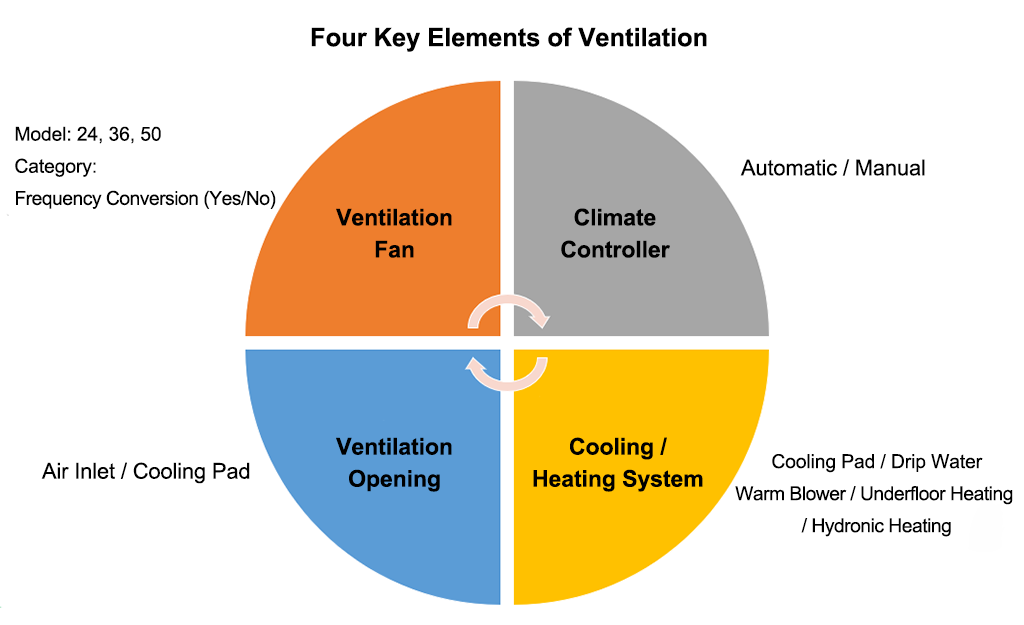
3. Four Key Elements of Ventilation
4. Longitudinal Ventilation – Cooling
Type of Pig | Weight (kg) | Maximum Ventilation Rate (m³/h per head) | Air Velocity (m/s) |
Boars and Breeding Sows | 180 | 500 | 1.5-2.5 |
Pregnant Sows | 145 | 250 | 1.5-2.5 |
Farrowing Sows | 180 | 1000 | 0.5-0.75 |
Nursery Piglets (Early Stage) | 5.5-13.5 | 43 | 0.3-0.5 |
Nursery Piglets (Growing) | 13.5-34 | 60 | 0.6 |
Grower Pigs | 34-68 | 130 | 1.0 |
Finishing Pigs | 68-100 | 200 | 1.5 |
IV. Environmental Control Inspection
1. Temperature and Humidity Inspection Process
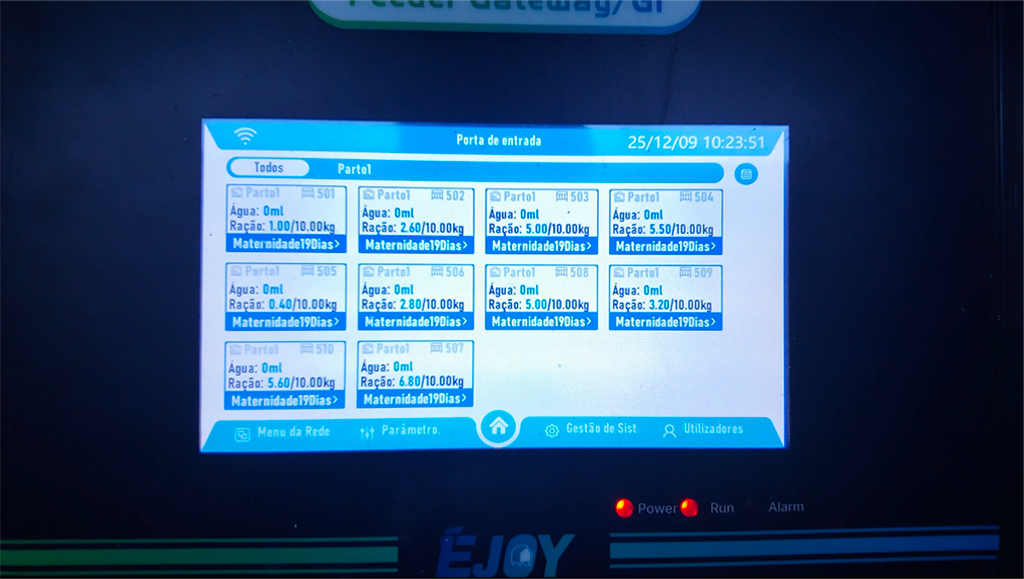
• Check indoor temperature and humidity via control panel, continuous thermometers, max-min thermometers, hygrometers, and pig behavior.
• Check harmful gases through sensory observation, pig condition, and instrument measurement.
• Inspect equipment: fans, cooling pads, air inlets.
2. Harmful Gas Inspection
A. Sensory Observation
• Normal: No obvious irritating odor
• Abnormal: Eye irritation, tearing, pungent smell, rotten egg odor
B. Pig Condition
• Abnormal: Tear stains, conjunctivitis, poor mental state
C. Instrument Measurement
• Method: Measure at the front, middle, back, and four corners of the pig house.
Summary:
1. Importance of environmental control: objectives and impacts of poor environment
2. Temperature and humidity control: interaction between temperature and humidity
3. Ventilation management: pig house ventilation and evaporative cooling
4. Environmental inspection: environment and equipment checks