

To achieve efficient chicken farming, five factors are essential: healthy chicks, complete nutrition, careful management, sound business planning, and a suitable environment. Today, let's talk about how to manage a chicken farm carefully.
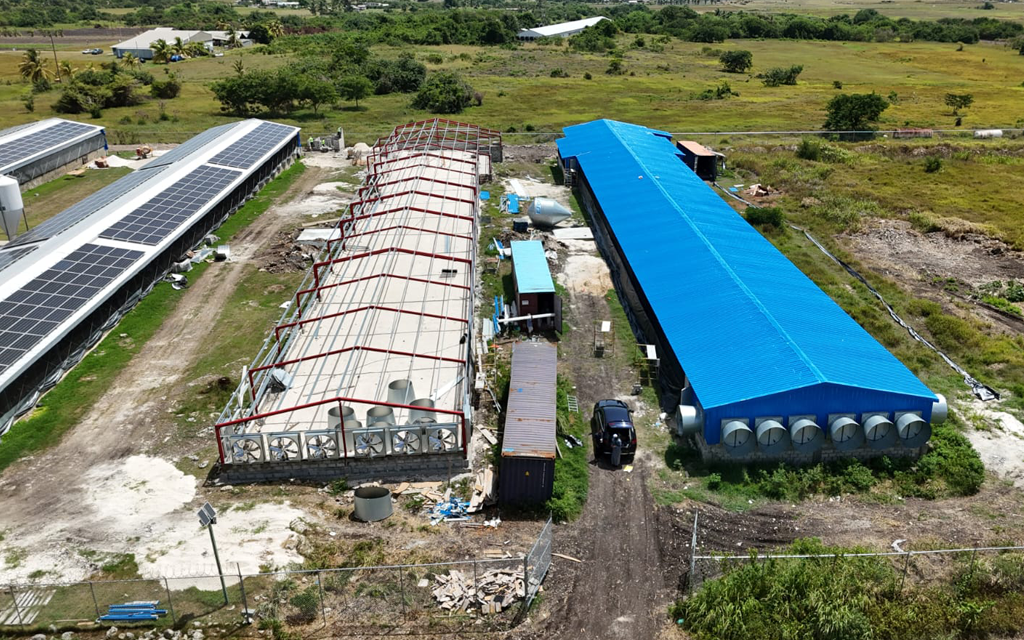
01 Focus Points Before Chicks Arrive
The focus before chicks arrive is to check the readiness of the chicken house, including:
① Cleaning and disinfection during the empty house period. Pay attention to the cleaning/disinfection procedure, work step monitoring, and disinfection effectiveness. Bacterial culture tests should be done to evaluate cleaning and disinfection – this is especially necessary for large-scale broiler farms.
② Whether the operation of rearing equipment can provide a comfortable growing environment for broilers – for example, heating, ventilation, water supply, feed lines, etc. Special attention should be paid to the supply of warm drinking water in the first week. Water temperature is directly related to first-week mortality. Farming experience shows: at 26.8°C (80.2°F) water temperature, first-week mortality is the lowest.
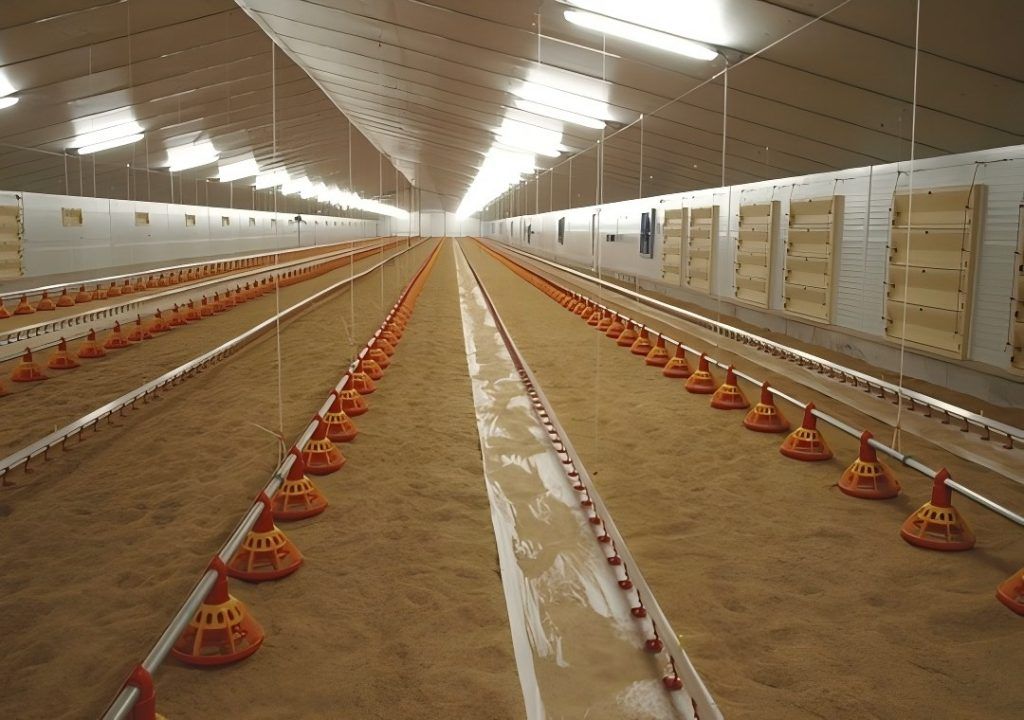
02 Focus Points for Days 1 – 7
The core focus for large-scale farms in the first week is the body weight at the end of the week.
The target weight at the end of the first week is 200 g. There is a well-known saying among white broiler farmers: “The first weekend sets the whole life.” The body weight at the end of the first week determines the broiler's market weight. For every extra 1 g at the end of week 1, market weight increases by 10 – 15 g. To achieve an ideal weekend weight, you must manage five key rearing factors well: temperature, ventilation, density, light, and humidity. However, there are no fixed standards for these factors – they must change according to equipment, climate, chick weight, etc.
① Culling weak chicks
In the first week, you can cull 1% – 3% of weak chicks intentionally. If chick price is low, you can cull even more.
② Choice of starter medication
True healthy farming uses scientific methods. The first principle for medication is safety, not just efficacy. Therefore, when choosing starter drugs, select them based on chick health condition. The principles are: not affecting weekend weight, maintaining basic health, not harming organ development and growth, and reducing stress. Starter drugs that relieve stress and support gut health are recommended.
③ Immunity and stress from vaccination
The vaccine strain is very important – always choose a strain that matches the local epidemic situation. Pay attention to immune response and immune index. Pay attention to vaccine reactions, especially respiratory reactions after spray or eye-drop vaccination. Focus on management during the vaccination period – you must reduce stress, not create it. For example, increase house temperature before vaccination.
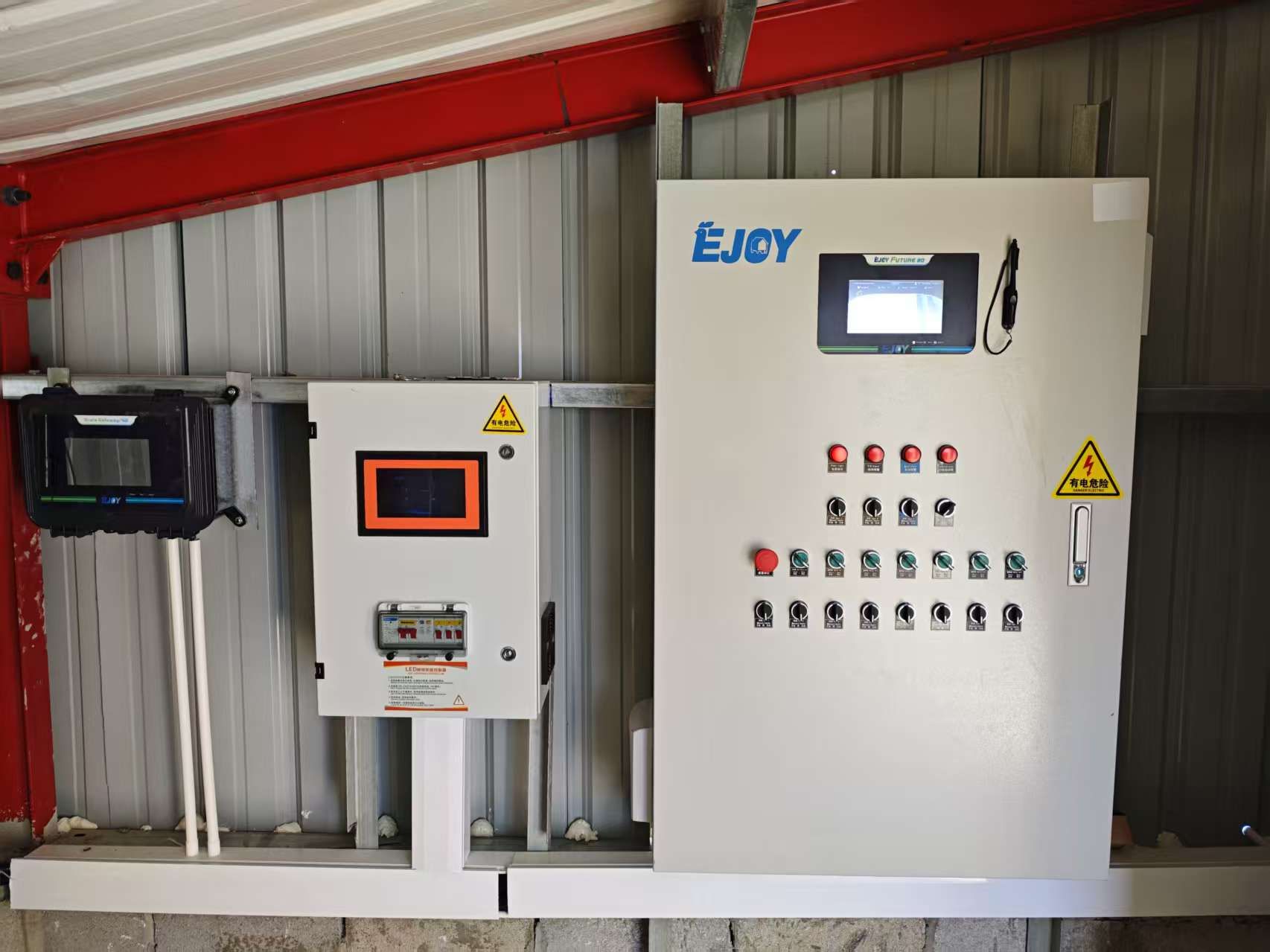
03 Focus Points for Days 8 – 14
The focus for this week is to gradually increase air exchange. Manage the conflict between ventilation and temperature. Control stress after Newcastle disease vaccination.
① Gradually reduce house temperature according to chick health and season.
② Try to reach target humidity.
③ Increase ventilation appropriately according to season – pay attention to air inlet position.
④ Adjust light time and intensity to reduce sudden death syndrome.
⑤ Adjust density according to season.
The basic principle for these five points: make smooth and gradual changes to the indoor environment to minimise stress reactions.
04 Focus Points for Days 15 – 21
After day 15, focus on ventilation – e.g., how to change the ventilation method. Pay attention to the birds' feeling temperature. Record the temperature at the front, middle and rear of the house, the air speed at bird level, wind direction, and humidity.
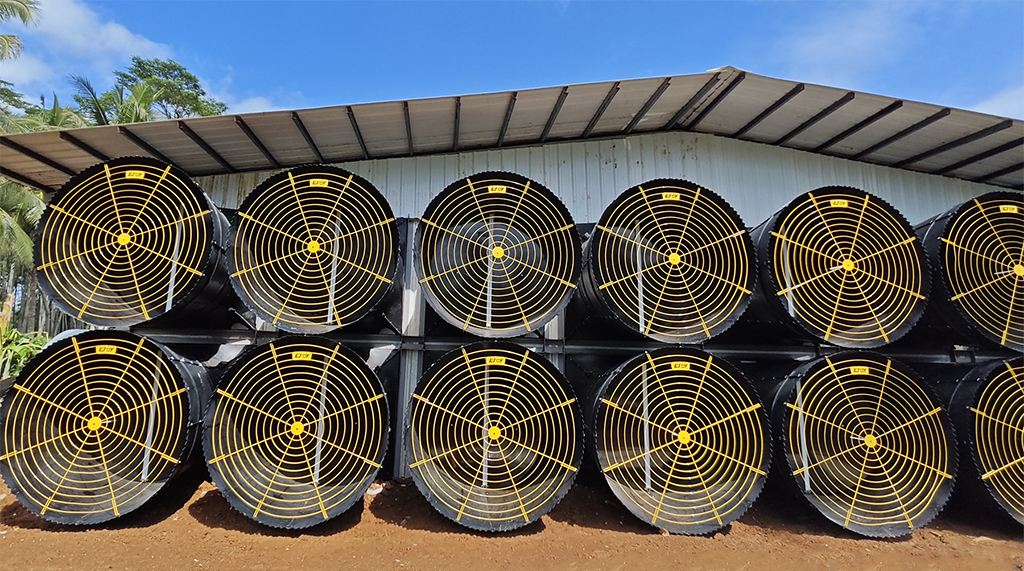
05 Focus Points for Days 22 – 28
The core task for week 4 is balancing ventilation and temperature control. This period is also an “immune gap” for avian influenza, so you must resolve the conflict between ventilation and temperature to achieve a smooth transition and avoid big swings. Whether management this week is done well determines whether you will be forced to sell chickens at day 35.
06 Focus Points for Days 29 – 35
This week is a red-alert stage. If previous management was poor, losses will explode during this period. Some large-scale farms achieve 99% survival rate up to day 21, but if problems arise here, the loss can be huge.
The most important thing before day 35 is ventilation, and the key is controlling the birds' feeling temperature formed by temperature, humidity, and air speed at bird level. To raise chickens well in winter, consider wind direction. Many farms have problems with air speed being too high or wind direction wrong – cold air blows directly onto birds, causing cold stress. Also, if temperature changes after ventilation, adjustments must be made accordingly.
07 Focus Points from Day 35 to Market
From day 35 to market, focus on gut disease prevention and control. Also, be even more careful about emergencies. Standard poultry farms are most concerned about power outages. If the power is out for half an hour, up to 4,000–5,000 birds may die.
Raising broiler chickens successfully requires attention to detail from the day before chicks arrive until the day they go to market. Every week has its own critical points – temperature, humidity, ventilation, light, density, health management, and stress control. Getting these right leads to better growth, lower mortality, and higher profits.
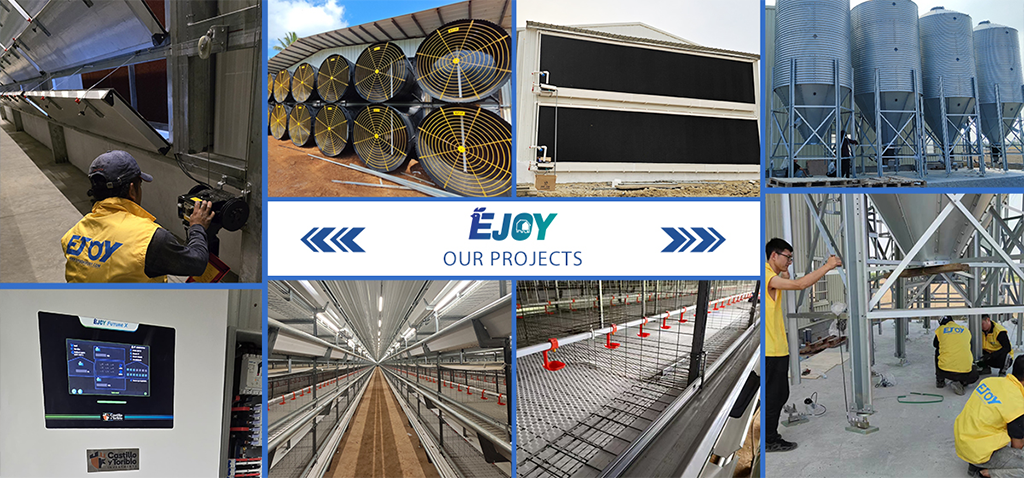
Qingdao EJOY provides turnkey poultry farm solutions, including customized farm design and planning. If you need, we can also provide installation services for your poultry farming equipment.
Contact us today to discuss your project. Let's build a better chicken farm together!
WhatsApp (WeChat) : +8613395329830