

Poultry farming in tropical regions presents unique challenges. Unlike temperate climates, countries located near the equator often experience consistently high temperatures combined with high humidity throughout the year. These environmental conditions can significantly reduce broiler growth performance, egg production, feed conversion efficiency, and flock health if poultry houses are not properly designed.
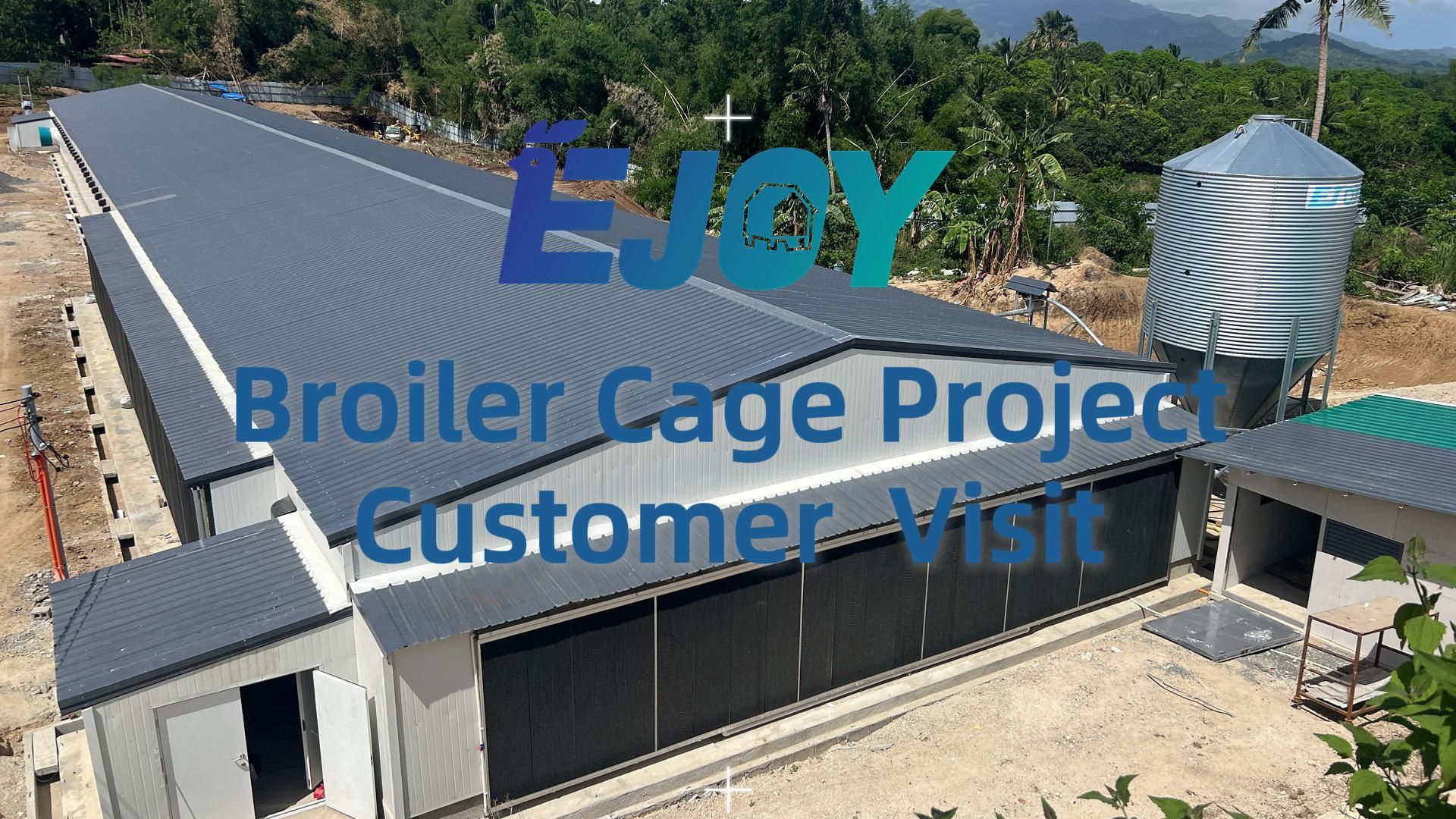
A well-designed turnkey poultry house is not simply a building—it is an integrated environmental control system. The right combination of house structure, ventilation equipment, and cooling technologies creates a stable indoor climate that supports bird welfare and maximizes production efficiency.
Why Tropical Poultry Houses Require Specialized Design
In tropical regions, outdoor temperatures frequently remain above 30°C (86°F), while relative humidity often exceeds 70–90%. Under these conditions, chickens struggle to dissipate body heat because high humidity reduces the effectiveness of natural evaporative cooling through panting.
Without proper environmental control, poultry may experience:
· Heat stress and reduced feed intake
· Lower daily weight gain
· Poor feed conversion ratio (FCR)
· Reduced egg production
· Increased mortality
· Higher disease risk due to excessive moisture and ammonia accumulation
Therefore, a turnkey poultry house designed specifically for tropical climates must prioritize airflow, heat removal, and humidity management.
Optimized Poultry House Structure for Tropical Climates
The building itself forms the foundation of environmental control. A high-quality poultry house should be engineered to minimize solar heat gain while promoting efficient air movement.
Key structural features include:
High-Strength Steel Frame
A hot-dip galvanized steel structure provides excellent corrosion resistance in humid environments while ensuring long-term durability and low maintenance costs.
Insulated Roof and Wall Panels
Sandwich panels or insulated roofing materials effectively reduce solar radiation entering the building. Better insulation helps maintain lower indoor temperatures while reducing the operating time of cooling equipment.
Appropriate Building Orientation
Positioning the poultry house according to prevailing wind directions improves natural airflow and reduces heat accumulation around the building.
Adequate Roof Height
Higher ceilings increase the air volume inside the house, allowing hot air to rise above bird level and improving overall ventilation efficiency.
Moisture-Resistant Flooring and Drainage
Proper floor design and drainage prevent standing water, reduce litter moisture, and help control bacterial growth in humid climates.
Ventilation System: The Core of Heat Removal
Ventilation is the most important environmental control system in tropical poultry production.
A properly engineered negative-pressure ventilation system continuously removes hot, humid air while supplying fresh oxygen-rich air throughout the building.
Essential ventilation equipment includes:
· Large-capacity exhaust fans
· Air inlets with automatic control
· Tunnel ventilation configuration
· Environmental controllers with temperature and humidity sensors
Tunnel ventilation is particularly effective for long poultry houses. High-speed airflow moving from cooling pads toward exhaust fans creates a wind-chill effect, helping birds lose body heat even when outdoor temperatures remain high.
Uniform air distribution is equally important. Dead zones with poor airflow create localized heat stress and increase ammonia concentration, negatively affecting bird health.
Cooling Equipment for High-Temperature Regions
While ventilation removes heat, cooling systems actively reduce incoming air temperature.
Evaporative Cooling Pads
Cooling pads installed on the air inlet side are one of the most effective cooling solutions for hot climates. As outside air passes through wet cellulose pads, evaporation lowers the incoming air temperature before it enters the poultry house.
Combined with tunnel ventilation, cooling pads can reduce indoor temperatures by several degrees, depending on local humidity conditions.
High-Pressure Fogging Systems
In certain climates, high-pressure misting systems provide additional cooling by producing ultra-fine water droplets that evaporate rapidly without excessively wetting the litter.
However, fogging should only operate under carefully controlled humidity conditions.
Managing High Temperature and High Humidity Simultaneously
Many tropical regions face the dual challenge of extreme heat and excessive humidity. This situation requires a different management strategy than dry climates.
When humidity is already high, adding more moisture through excessive evaporative cooling can reduce cooling efficiency and create additional problems.
Recommended strategies include:
· Increase ventilation capacity to remove humid air quickly.
· Operate exhaust fans continuously during peak heat periods.
· Use variable-speed fans to maintain consistent air exchange.
· Control cooling pad operation automatically according to both temperature and relative humidity.
· Avoid excessive water usage that may wet the litter.
· Maintain dry litter through proper ventilation and drainage.
· Monitor ammonia concentration to ensure adequate air quality.
· Install intelligent environmental control systems that simultaneously regulate temperature, humidity, ventilation, and cooling equipment.
The goal is not simply lowering temperature, but maintaining the optimal balance between temperature, humidity, airflow, and air quality.
Intelligent Environmental Control Improves Production
Modern turnkey poultry houses increasingly rely on automated environmental controllers.
Integrated sensors continuously monitor:
· Indoor temperature
· Relative humidity
· Air pressure
· Carbon dioxide
· Ammonia levels
The controller automatically adjusts fans, cooling pads, air inlets, and other equipment to maintain the desired environment without constant manual intervention.
Automation improves production consistency while reducing labor costs and energy consumption.
Benefits of a Complete Turnkey Poultry House Solution
A professionally designed turnkey poultry house provides more than construction services. It delivers a complete production environment that includes structural engineering, ventilation design, cooling equipment, electrical systems, automation, installation, and technical support.
For poultry farms operating in tropical climates, the right turnkey solution offers significant advantages:
· Improved bird comfort and welfare
· Reduced heat stress
· Better feed conversion efficiency
· Faster weight gain
· Higher egg production
· Lower mortality
· Reduced disease pressure
· Lower operating costs
· Higher long-term profitability
Conclusion
Successful poultry farming in year-round hot tropical regions depends on far more than strong buildings alone. The combination of an optimized house structure, efficient ventilation system, advanced cooling equipment, and intelligent environmental control creates the stable indoor conditions required for healthy and productive flocks.
For areas characterized by both high temperature and high humidity, balancing airflow, temperature, and moisture is the key to sustainable poultry production. Investing in a professionally engineered turnkey poultry house ensures reliable performance, improved animal welfare, and greater economic returns for poultry producers.